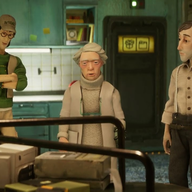
Harold Halibut Review: A Stunning Handmade Adventure Worth Exploring
Read our in-depth harold halibut review to discover how Slow Bros. crafted a unique handmade stop-motion style adventure game set underwater.
Introduction to a Unique Crafting Triumph
Stepping into the quirky, submerged world of a retro-futuristic spaceship can completely transform your expectations of indie gaming. When diving into a harold halibut review, players quickly realize that this long-awaited debut title from German developer Slow Bros. is unlike anything else on the market. If you are looking for an artistic experience that pushes narrative boundaries while redefining visual presentation, checking out a comprehensive harold halibut review will highlight why this passion project matters so much to modern adventure fans.
The Vision Behind Slow Bros.: A Handmade Masterpiece
When independent studio Slow Bros. was founded in Cologne back in 2015, they set out to build something truly extraordinary. Instead of relying purely on standard digital modeling assets, the development team integrated unexpected disciplines like carpentry, apparel design, and sculpture into their video game production workflow.
Every single environment, prop, character model, and costume was meticulously built by hand in real life. Through advanced photogrammetry techniques, these physical sculptures and physical sets were scanned directly into the game engine. According to community reports, this hands-on design choice grants the game its signature stop-motion aesthetic, bridging the gap between cinema and interactive media.
For players eager to inspect the official details and updates regarding this unique project, you can visit the Steam Page for Harold Halibut to learn more about the developers' journey.
Life Aboard The Fedora: Story and Setting
The narrative kicks off roughly 250 years after Earth faced near-nuclear destruction. An ark-like spacecraft named The Fedora was dispatched to colonize a distant, water-rich planet. Upon crash landing, the crew discovered their new home was covered entirely by water, forcing them to repurpose the ship's compartments into a makeshift underwater society.
Over generations, this floating sanctuary evolved into a structured village regulated by the All Water Corporation. Power management, district travel via toilet-esque underwater tube systems, and strict daily routines define existence here. Players step into the shoes of Harold, a humble lab assistant who spends most of his time acting as an overworked janitor.
When a long-delayed message from Earth arrives confirming that humanity's home planet survived, the community splits on how to handle the news. This catalyst sets off an emotional journey for Harold, who shifts from background wallflower to a key figure in discovering an alien life form.
Gameplay Loop and Mechanics: A Double-Edged Sword
While the presentation shines brightly, any honest harold halibut review must address the pacing and mechanical limitations. Adventure games often rely heavily on puzzles, hidden secrets, and branching dialogue choices. In contrast, this title streamlines traditional mechanics down to a loop of traveling from point A to initiate conversations at point B.
Player experience notes indicate that certain sections—such as a notorious mid-game letter delivery task where Harold can only carry one item at a time—test the player's patience. Navigating multiple fast-travel loading sequences just to deliver individual letters can pull players out of the otherwise deeply immersive world.
Why the Art Style Carries the Experience
Despite slow pacing and restricted interactive elements, the artistic execution easily justifies the journey. Walking through the distinctly themed districts feels like exploring a physical theater stage. The camera work subtly reinforces this cinematic illusion, panning gently to reveal the edges of handcrafted sets.
Furthermore, the game’s atmospheric soundtrack fills the background seamlessly. Characters possess distinct personality traits, ranging from eccentric scientists to tired service workers. Knowing that every facial expression and stitched fabric fold was crafted by physical sculptors makes observing the character animations deeply rewarding for film buffs and art enthusiasts alike.
Frequently Asked Questions
What kind of game is Harold Halibut?
It is a narrative-focused, handmade adventure game developed by Slow Bros. that emphasizes storytelling, exploration, and cinematic presentation over complex mechanics.
How long does it take to beat Harold Halibut?
Most players report that a standard playthrough takes between 10 to 12 hours, depending on how thoroughly they explore the environments and interact with secondary dialogue options.
Is the harold halibut review consensus positive regarding its art style?
Yes, critics and fans universally praise the game's stop-motion aesthetic, which was achieved by physically building sets and characters before scanning them via photogrammetry.
Where can I play Harold Halibut?
The title is available across major modern gaming platforms, including PC via digital storefronts, modern PlayStation consoles, and Xbox systems.
Related Guides
Harold Halibut Age Rating Explained: Is This Wholesome Game Right for Your Family?
Discover the harold halibut age rating, content suitability, and player experiences to see if this stop-motion narrative adventure is appropriate for kids.
Harold Halibut Is It Good? An In-Depth Look at the Narrative Adventure
Wondering if Harold Halibut is it good? Discover player experiences, gameplay breakdowns, visuals, and whether this unique narrative adventure is worth your time.
Harold Halibut Metacritic Breakdown: A Deep Dive Into the Scores
Explore the harold halibut metacritic scores, player reception, and community reviews for Slow Bros.' unique stop-motion narrative adventure.
Why Harold Halibut Boring Design Is Actually an Incredible Masterpiece
Explore why some players call Harold Halibut boring, and discover how its slow pacing and stop-motion style turn monotony into art.