Harold Halibut Age Rating Explained: Is This Wholesome Game Right for Your Family?
Discover the harold halibut age rating, content suitability, and player experiences to see if this stop-motion narrative adventure is appropriate for kids.
Are you trying to figure out the harold halibut age rating before sharing this handcrafted digital adventure with your household? Navigating family-friendly media can be tricky, especially when evaluating titles like the harold halibut age rating for younger players who might struggle with slow pacing.
Understanding the Harold Halibut Age Rating and Content Profile
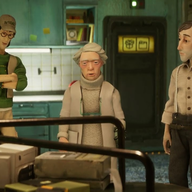
When parents and guardians look into the harold halibut age rating, they often want to know what makes this distinct indie adventure unique. Developed by Slow Bros., the game stands out visually due to its meticulous, handmade stop-motion aesthetic. But how does its content translation impact the target audience? Officially, the game is generally rated as suitable for all audiences or "Everyone" across major platforms like Xbox Game Pass and digital storefronts.
To give you a clearer picture, let's look at the basic classification metrics for the title.
According to general community reports, the game contains no graphic violence, intense peril, or mature content that would flag it for older teens only. However, parents should look deeper than a simple letter grade to understand the actual gameplay experience.
Player Experiences: What the Community Says About Pacing
While the official rating suggests the title is completely benign, player feedback offers a more nuanced perspective on who will actually enjoy the journey. According to community discussions on platforms like Steam, veteran players point out that while the story is undeniably wholesome, the execution might test the patience of younger family members.
This highlights an important distinction in modern gaming: a safe rating does not automatically mean high engagement for all age brackets.
Key Factors Parents Should Consider Before Playing
Before diving into this submarine sci-fi world, you should weigh several narrative and mechanical elements. Understanding these aspects helps prevent boredom and frustration during family game night.
- Extensive Dialogue: Much of the gameplay revolves around talking to quirky inhabitants of the submerged spaceship. If your child dislikes reading subtitles or listening to long conversations, they may lose interest quickly.
- Pacing Structure: The story unfolds at a very deliberate, unhurried pace. It leans heavily into atmosphere and world-building rather than fast-paced action.
- Puzzle Complexity: Puzzles are generally straightforward, meaning children won't hit frustrating difficulty spikes, but they also won't find high-octane mechanical challenges.
Comparing Harold Halibut with Traditional Family Games
To better contextualize where this title sits in the grand scheme of family entertainment, it helps to compare it against more traditional styles of games found on subscription services.
As you can see, treating this title like a standard platformer or party game will lead to mismatched expectations. It is closer to an interactive stop-motion film than a traditional video game.
Actionable Tips for Family Play
If you still want to introduce this unique title to your household, here are a few practical tips to ensure an enjoyable experience:
- Play Together: Treat the game like an interactive movie night. Sit down with your older children or teenagers and take turns making conversational choices.
- Manage Expectations: Let everyone know beforehand that the game focuses heavily on exploring a strange underwater community and talking to its eccentric residents.
- Check Out Official Resources: Before downloading, you can visit the Official Harold Halibut Website to view trailers and get a direct feel for the artistic direction and tone.
Frequently Asked Questions
Is the game safe for young children regarding violence?
Yes, the title features zero violence, combat, or scary monsters, making its content entirely safe from objectionable material.
Why do some players call the game boring?
Because the narrative pacing is slow and relies on extensive dialogue rather than action-packed sequences, players looking for fast-paced entertainment might find it slow-moving.
Where can I check more details about the harold halibut age rating?
You can look up official platform listings on Xbox, PlayStation, or Steam, where the game is consistently classified as suitable for general audiences.
Does the game require reading skills?
Yes, much of the character interaction is text-based or heavily reliant on dialogue trees, meaning solid reading comprehension enhances the experience significantly.
Related Guides
Harold Halibut Is It Good? An In-Depth Look at the Narrative Adventure
Wondering if Harold Halibut is it good? Discover player experiences, gameplay breakdowns, visuals, and whether this unique narrative adventure is worth your time.
Harold Halibut Metacritic Breakdown: A Deep Dive Into the Scores
Explore the harold halibut metacritic scores, player reception, and community reviews for Slow Bros.' unique stop-motion narrative adventure.
Harold Halibut Review: A Stunning Handmade Adventure Worth Exploring
Read our in-depth harold halibut review to discover how Slow Bros. crafted a unique handmade stop-motion style adventure game set underwater.
Why Harold Halibut Boring Design Is Actually an Incredible Masterpiece
Explore why some players call Harold Halibut boring, and discover how its slow pacing and stop-motion style turn monotony into art.