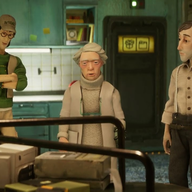
Harold Halibut How Many Endings Does It Have? Exploring the Story
Dive into Harold Halibut how many endings exist, exploring the narrative choices, bittersweet conclusions, and player experiences in the game.
When diving into the handcrafted stop-motion world of a critically acclaimed narrative adventure, players often find themselves wondering about Harold Halibut how many endings are featured in the game. Understanding Harold Halibut how many endings exist helps set expectations for your journey through this unique aquatic sci-fi saga.
Understanding the Narrative Structure and Choices
Harold Halibut is celebrated for its distinct visual style, meticulous stop-motion animation aesthetic, and deep narrative focus. As players guide the titular protagonist through the submerged city-ship of the Fedora, the plot unfolds through rich dialogue, exploration, and interpersonal relationships. Unlike massive open-world role-playing games that branch into dozens of different paths, narrative adventures like this often focus on a singular, highly curated cinematic arc.
To better understand how the narrative flows, let us look at the structural breakdown of the game's progression and choice systems in the comparison table below.
Community reports and player discussions on platforms like the Steam Community Hub for Harold Halibut frequently highlight how the final moments resonate on an emotional level rather than offering wildly divergent alternate realities.
Examining the Final Scene and Emotional Weight
The closing moments of the game have sparked extensive conversations among fans regarding closure, personal agency, and sacrifice. Rather than presenting a multitude of mechanical branching paths that lead to entirely separate alternate universes, the story centers around a definitive emotional resolution.
When analyzing player experience reports, the emotional resonance of the final sequence stems from the weight of Harold's decisions. The table below outlines the core perspectives surrounding the conclusion as discussed by the community.
Many players note that Harold's demeanor during the finale can feel surprisingly melancholic even when the choice is in the player's hands. This reflects a realistic portrayal of parting ways with dear friends and familiar surroundings.
Breaking Down Character Motivations and Themes
To fully appreciate the narrative design, we must examine why characters act the way they do during the climax. Harold’s connection to the aquatic alien lifeforms offers a fascinating foil to traditional human societal structures.
The following breakdown details the core thematic contrasts presented in the narrative:
- Human Hierarchy vs. Alien Simplicity: Human society on the sunken ship is bogged down by historical burdens, bureaucracy, and mission stress. In contrast, the alien culture emphasizes basic survival, relaxation, and honest living.
- The Burden of Choice: Much like real life, the protagonist faces irreversible decisions. Community discussions often point out that the narrative mirrors real-world dilemmas where outcomes remain uncertain, yet decisions must be made.
- The Uncertainty of the Future: Just as players wonder about the fate of the ship and its inhabitants, the characters themselves step into the unknown.
For a broader look at the title's development and background, you can check out the official Slow Bros. Official Website.
Comparing Narrative Design Philosophies
It is helpful to contextualize how this game handles its resolution compared to traditional role-playing titles. While some games prioritize high replayability through alternate endings, story-driven artistic adventures prioritize emotional depth over branching permutations.
Here is a statistical and design comparison of typical narrative structures:
This approach ensures that every player experiences the same foundational emotional arc, deepening the shared cultural conversation surrounding the characters' fates.
Frequently Asked Questions
How many endings are there in Harold Halibut?
The game focuses on a singular, cohesive narrative arc rather than multiple vastly different mechanical endings. The discussion surrounding Harold Halibut how many endings exist usually centers on the emotional nuances of its definitive conclusion rather than alternate game-over screens.
Is the ending of Harold Halibut open-ended?
While the main story reaches a definitive emotional resolution regarding the characters' paths, certain elements—such as the ultimate fate of the vessel and its crew—leave room for interpretation, inviting deep reflection from players.
Why do players discuss the final scene so intensely?
Player experience reports indicate that the bittersweet nature of the final choices, character sacrifices, and the melancholy demeanor of the protagonist provoke strong emotional reactions and philosophical debates within the community.
Does my choice change the outcome of the game?
The narrative choices primarily shape the emotional context, character farewells, and personal direction of the protagonist rather than entirely rewriting the universe into multiple completely separate franchise timelines.
Related Guides
Decoding Harold Halibut Different Endings: What the Finale Really Means
Explore harold halibut different endings, player theories, and the emotional weight behind the bittersweet finale of this handcrafted narrative adventure.
Harold Halibut Ending Explained: Decoding the Bittersweet Finale
Explore the ultimate harold halibut ending explained guide, breaking down the emotional finale, player perspectives, and narrative themes.